Femenino
lingua
Significado (Inglés)
- (declension-1, feminine, literally) the tongue
- (declension-1, feminine, metonymically) a tongue, utterance, language, speech
- (declension-1, feminine, metonymically) a tongue, utterance, language, speech
- (declension-1, feminine, metonymically, obsolete) a tongue, utterance, language, speech
- (declension-1, feminine, metonymically, poetic) a tongue, utterance, language, speech
- (declension-1, feminine, metonymically) a tongue, utterance, language, speech
- (declension-1, feminine, metonymically) a tongue, utterance, language, speech
- (declension-1, feminine) tongue-shaped things:
- (declension-1, feminine) tongue-shaped things:
- (declension-1, feminine) tongue-shaped things:
- (declension-1, feminine) tongue-shaped things:
- (declension-1, feminine) tongue-shaped things:
- (declension-1, feminine) tongue-shaped things:
- (declension-1, feminine) tongue-shaped things:
Conceptos
Traducciones
 langue
 lingua
 Sprache
 llengua
 língua
 language
 γλώσσα
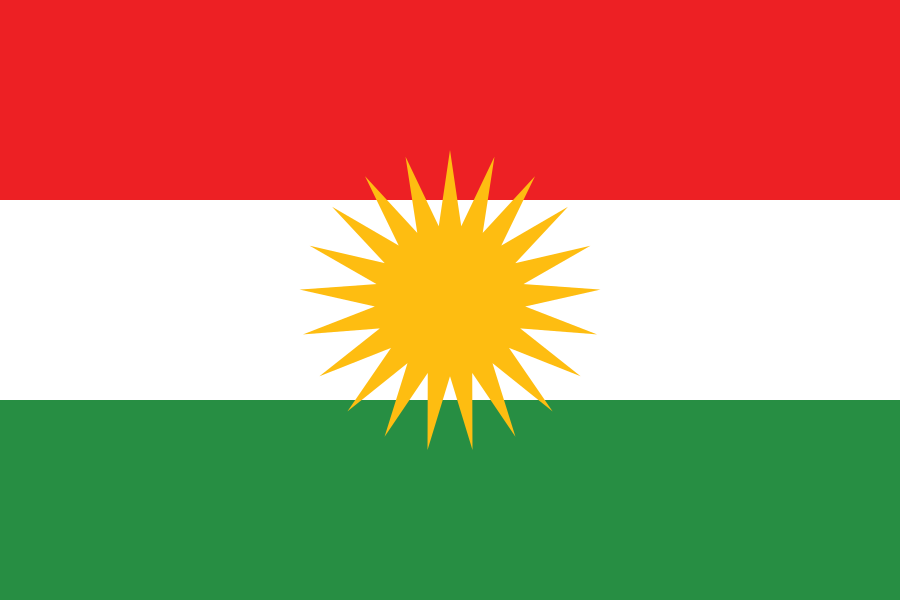 ziman
ziman dil
dil taal
taal lenga
lengaFrecuencia
Pronunciado como (IPA)
[ˈlɪŋ.ɡʷa]
Etimología (Inglés)
From older dingua (attested as a rare word in Gaius Marius Victorinus), from Proto-Italic *denɣwā, from Proto-Indo-European *dn̥ǵʰwéh₂s. The change of d- to l- is variously explained by a borrowing from another Italic language with such a shift and/or by a folk-etymological association with the verb lingō (“to lick”); compare Old Armenian լեզու (lezu) and Lithuanian liežùvis for the latter process. Other cognates include German Zunge and English tongue.
Notes
Sign in to write sticky notes

Comience a aprender latín con learnfeliz .
Practica hablar y memorizar " lingua " y muchas otras palabras y oraciones en latín .
'%3e%3c/path%3e%3c/g%3e%3cdefs%3e%3cmarker%20markerWidth='4.5'%20markerHeight='4.5'%20refX='2.25'%20refY='2.25'%20viewBox='0%200%204.5%204.5'%20orient='auto'%20id='SvgjsMarker4023'%3e%3cpolygon%20points='0,4.5%201.5,2.25%200,0%204.5,2.25'%20fill='white'%3e%3c/polygon%3e%3c/marker%3e%3c/defs%3e%3c/svg%3e)
